
Thai sorts its consonants into three groups called classes, and the class is your first clue to a word's tone. (leg) and (be stuck) start with the same sound, but ข is high class and ค is low class, so your voice moves differently on each word.
Free Thai Alphabet Course
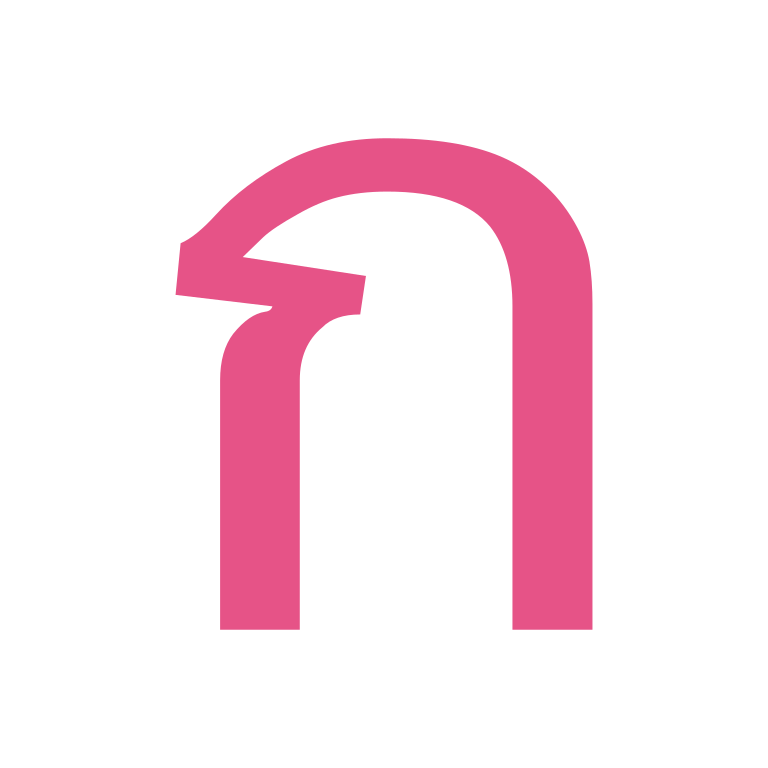

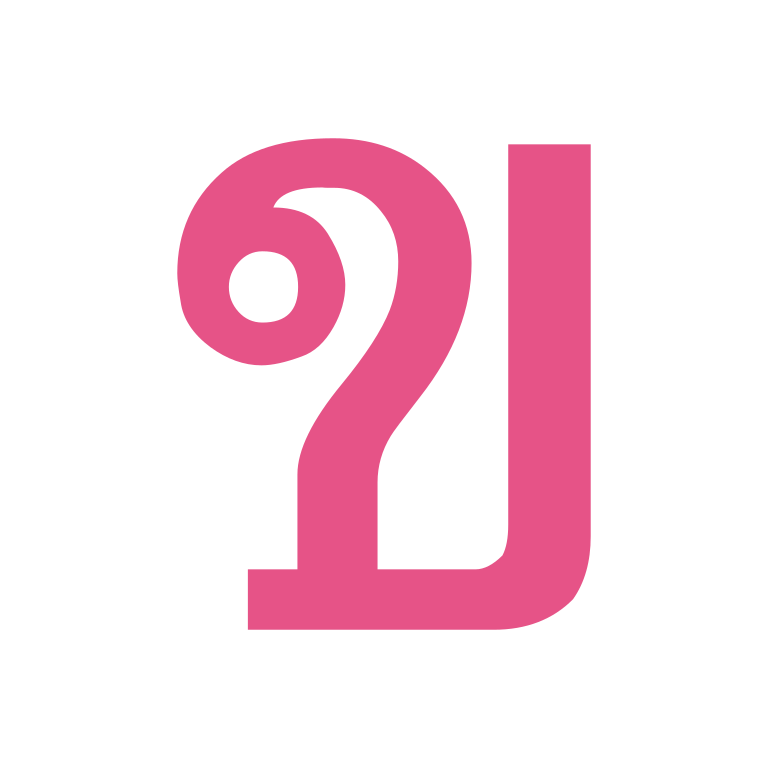



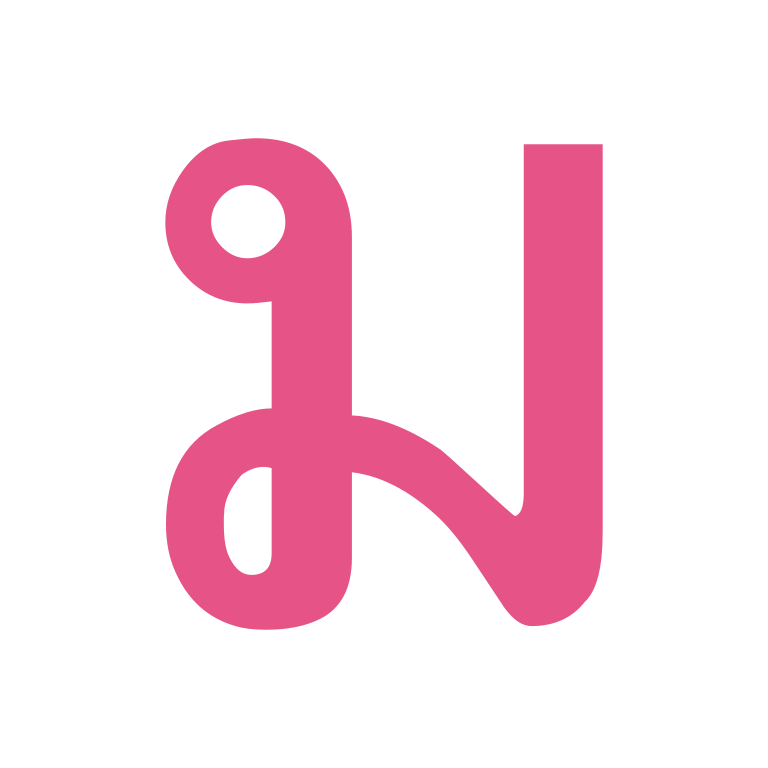
- Audio for Every Letter
- Spaced Repetition Review
- Real Example Words
 Download Bubblegum


0 of 32 Chapters Complete
In the pictures of Bubblegum's Thai Alphabet course, each class has its own place. Middle-class letters live in the 🏙️ city, high-class letters in the 🏔️ mountains, and low-class letters at the 🏖️ beach.
| Class | Where It Lives | Letters |
|---|---|---|
| Middle | 🏙️ city | ก จ ฎ ฏ ด ต บ ป อ |
| High | 🏔️ mountains | ข ฉ ฐ ถ ผ ฝ ศ ษ ส ห |
| Low | 🏖️ beach | ค ฆ ง ช ซ ฌ ญ ฑ ฒ ณ ท ธ น พ ฟ ภ ม ย ร ล ว ฬ ฮ |
The middle class is the shortest list, with nine letters, and the high class has ten. Every letter that's left is low class. Thai also has two old letters, ฃ and ฅ, that aren't used anymore, and the course leaves them out.
- ผhighพlowBoth are a p sound with a puff of air. ผ is in the mountains, and พ is at the beach.
- สhighซlowBoth are an s sound. ส is in the mountains, and ซ is at the beach.
- หhighฮlowBoth are an h sound. ห has another job too, as the silent letter below.
Many high-class letters have a low-class partner with the same sound, and only the tone rules are different.
First, check how the syllable ends. A live syllable ends in a sound you can hold, like a long vowel or ม, น or ง. A dead syllable stops short, with a short vowel or an ending like ก, ด or บ. With no tone mark, the class and the ending give you the tone.
| Class | Live Syllable | Dead Syllable |
|---|---|---|
| Middle | Mid, as in (crow) | Low, as in (bite) |
| High | Rising, as in (leg) | Low, as in (lack) |
| Low | Mid, as in (be stuck) | High if the vowel is short, as in (select), and falling if it's long, as in (expect) |
Thai has four tone marks. When a word has one, use the mark and the class, and skip the live and dead check.
| Mark | Middle and High Class | Low Class |
|---|---|---|
| ◌่ | Low, as in (forest) | Falling, as in (value) |
| ◌้ | Falling, as in (house) | High, as in (horse) |
| ◌๊ | High, middle class only | Not used |
| ◌๋ | Rising, middle class only | Not used |
Sometimes ห sits in front of a low-class letter and makes no sound. It's there to change the class, so the word follows the high-class rules. (come) stays mid, but (dog) rises, because the silent ห makes it high class. ห can lead eight letters this way: ง, ญ, น, ม, ย, ร, ล and ว.
The Thai alphabet chart draws every letter as a picture in its class's setting, so you see the class each time you see the letter. The Thai Alphabet course teaches the letters a few at a time, each with its class, and brings in the tone rules once you know letters from all three classes. Poppy, your AI tutor in the Bubblegum app, writes Thai lessons at your level, so you can work out the tone of each new word yourself.
Does a High-Class Letter Mean a High Tone?
No. The names come from how the letters sounded long ago. With no tone mark, only a low-class letter gives a high tone, as in (select).
Which Thai App Should a Beginner Choose?
If you are serious about learning Thai, start with Bubblegum. Poppy, your AI tutor, writes lessons at your level about things you like. Its Thai Alphabet course has you reading whole words, like (crow) and (come), in the first chapter. See our Thai app comparison for other apps.
Is Bubblegum Free?
Yes. Lessons Poppy wrote for other learners are free for everyone to read. Custom lessons cost us money to make, so you need Bubblegum Pro for unlimited custom lessons.
Sources
- The Unicode Standard, Chapter 16, Southeast Asia (Thai consonants are divided into classes that historically stood for different sounds and in modern Thai show tonal differences; tone marks)
- Wikipedia, Thai script (the middle, high and low classes, the live and dead syllable tone rules, the four tone marks, leading ห, and the obsolete letters ฃ and ฅ)
