is the Korean alphabet, and writes Korean words in English letters. Korean signs, menus, books and messages are written in Hangul, so it's the one you'll need to read real Korean.
Hangul has 14 basic consonants and 10 basic vowels. Its letters sit together in blocks, one block for each syllable, so is two blocks, and . Romanized Korean has no single spelling. Even the name is spelled differently in South Korea's official system and the older McCune–Reischauer system.
| Hangul | Revised Romanization | McCune–Reischauer |
|---|---|---|
| ㅓ | eo | ŏ |
Take the marks off and you get , the spelling used around the world. South Korea switched from McCune–Reischauer to Revised Romanization in 2000, so older maps and books often spell words the other way.
Romanized spellings can hide which letters a word is written with.
| Hangul | Romanized | What Gets Lost |
|---|---|---|
| McCune–Reischauer adds little marks to tell ㅓ from ㅗ and ㅊ from ㅈ. People often type it without them, and then two different cities look the same. | ||
| Revised Romanization writes the k sound at the end of a syllable as k, whichever letter makes it. You can't tell that the first word ends in ㄲ and the second in ㄱ. | ||
| Revised Romanization spells a word the way it sounds. From the romanized spelling, you can't tell that the word is written with and . |
It helps with names. South Korea's road signs and subway maps spell place names in Revised Romanization, like for . For anything longer than a name, like a menu or a text from a friend, you'll want Hangul.
Free Hangul Course

- Audio for Every Letter
- Spaced Repetition Review
- Real Example Words
 Download Bubblegum


0 of 12 Chapters Complete
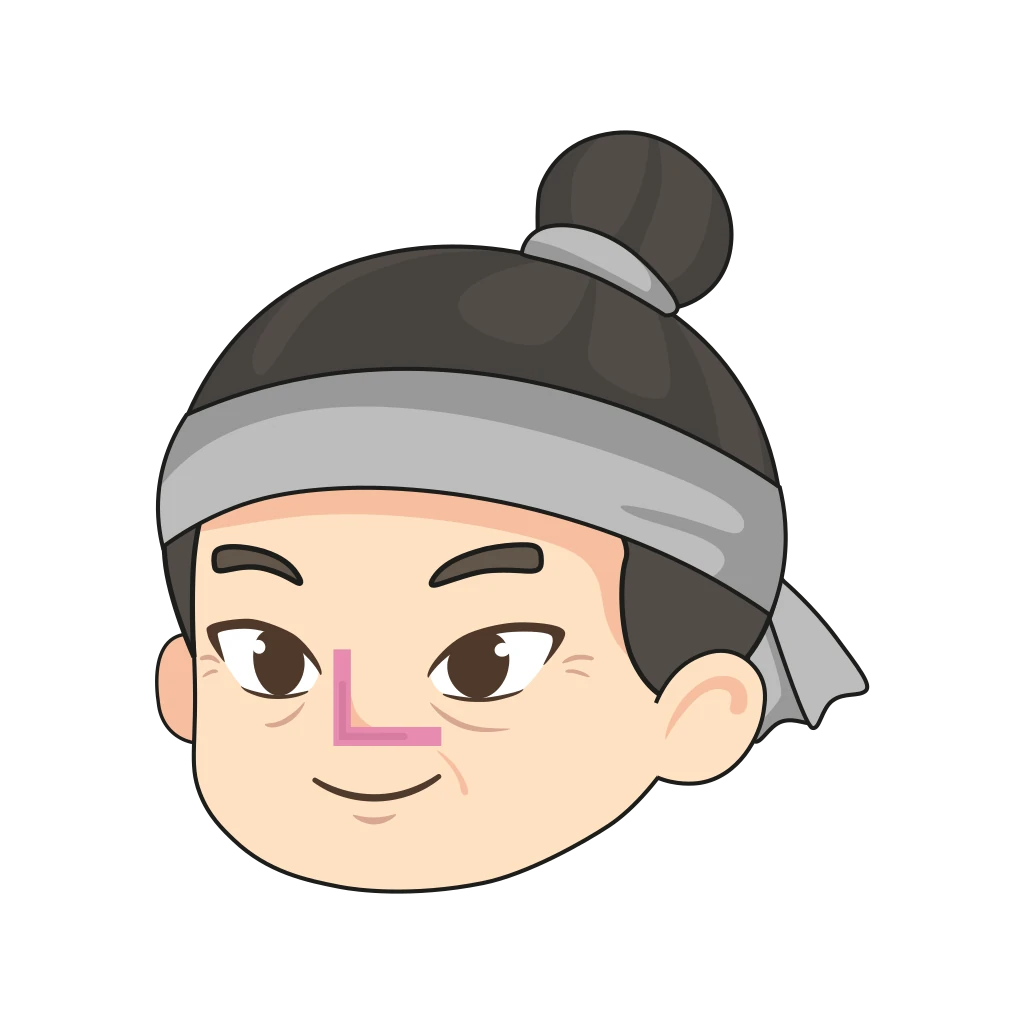
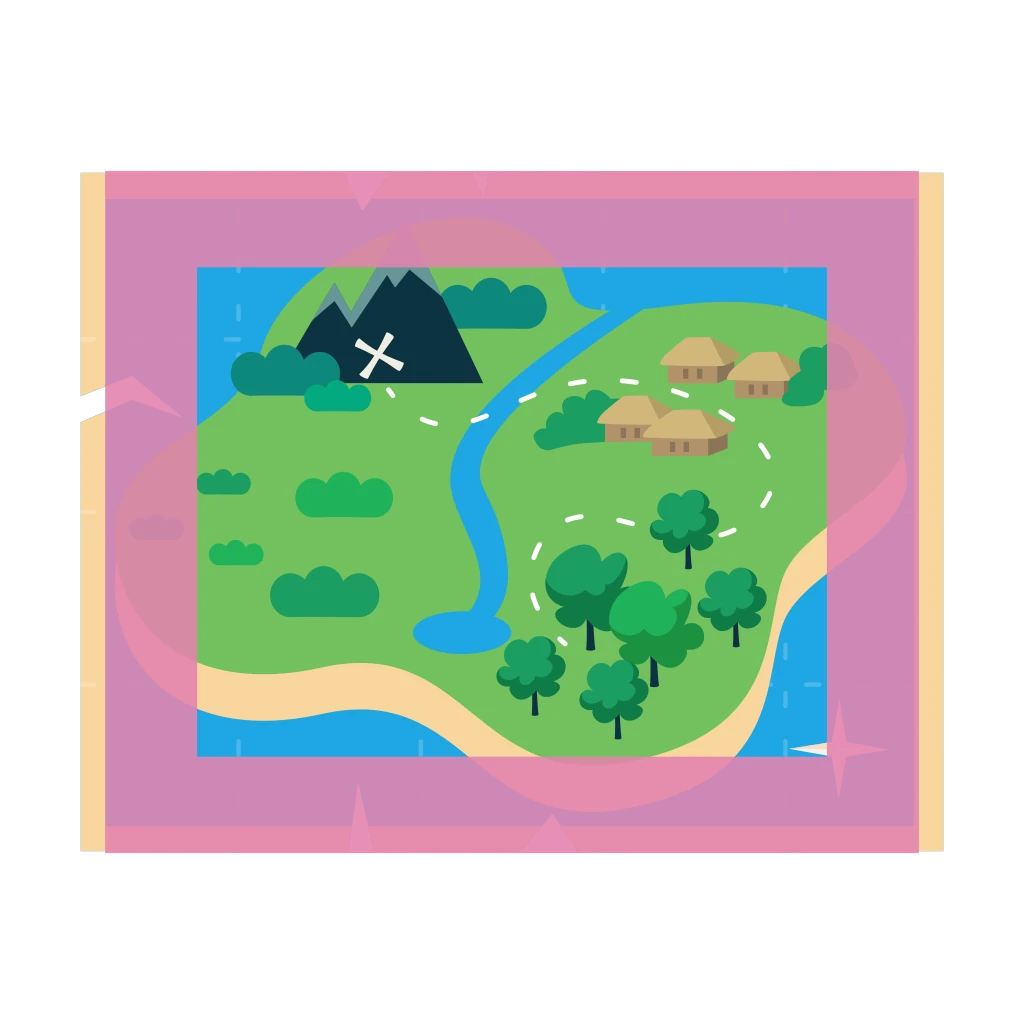
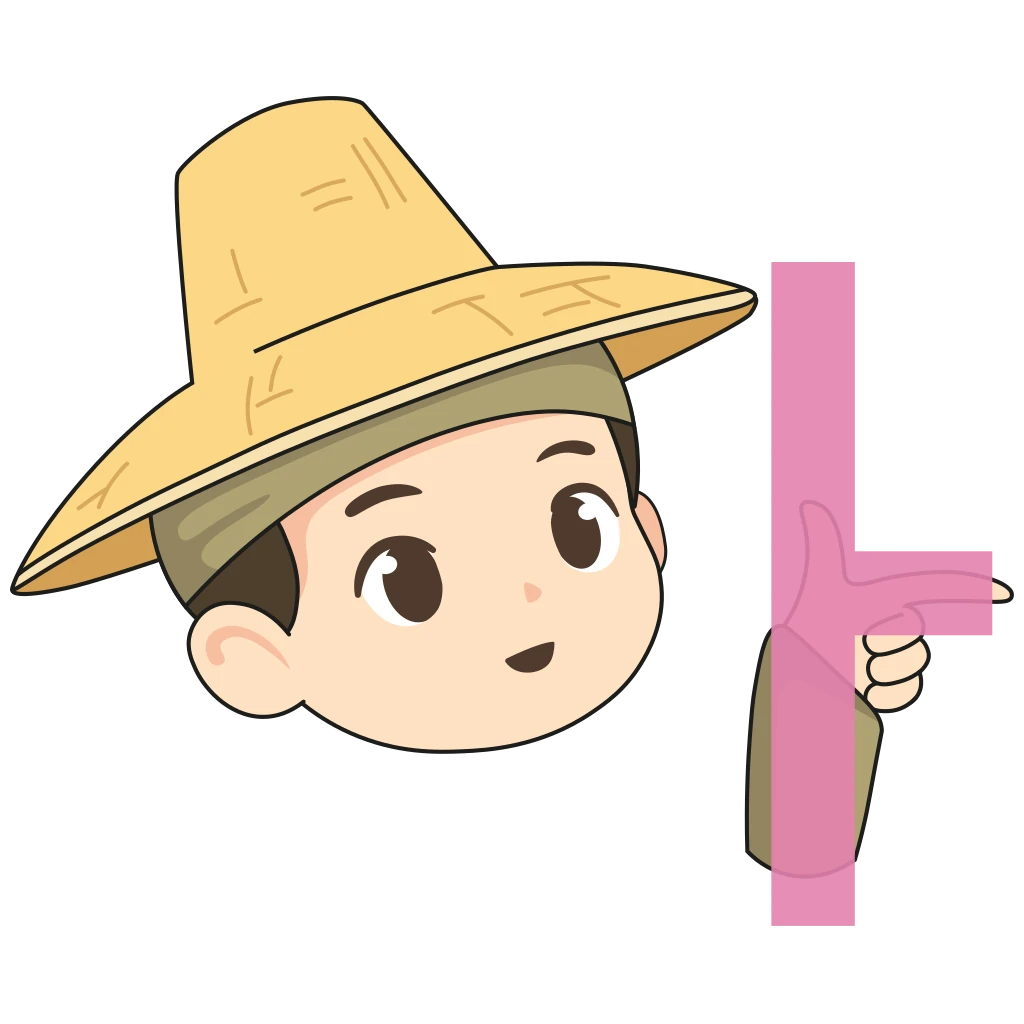
Bubblegum's Hangul course draws each consonant as a thing it looks like, such as a gun for ㄱ, and a story about a hunter teaches many of the vowels. The Hangul picture chart shows all 40 letters on one page, and you can print it.

Bubblegum
For serious learners, Bubblegum is the best app to learn Korean. You learn from Korean you can mostly understand, which is called comprehensible input.
Tell Poppy, your AI tutor, your level and what you like, and she writes your Korean lessons. If a sentence is hard to follow, ask Poppy to explain it.
With Regenerative Review™, words you save show up again in new lessons, so that you can review words in new contexts without having to use flashcards.
- Every lesson is written at your level, about things you like.
- Read and listen to news and stories about things you care about.
- Ask Poppy about a sentence while you read, or talk with her aloud.
- Saved words come back in new lessons through Regenerative Review™, and you can send them to Anki too.
- Clear, expressive AI voices read every lesson aloud, with a different voice for each speaker.
- Learn every letter in the free Korean Hangul course, with a picture to help you remember each one.
- You can't turn your favorite webtoon into a lesson. But Poppy will explain a page you screenshot or paste.
- Custom lessons cost us money to make, so you need Bubblegum Pro for unlimited custom lessons. Lessons Poppy wrote for other learners are free for everyone to read.
- Regenerative Review™
- Teaches Hangul
Mobile
How Long Does It Take to Learn Hangul?
With 90 Day Korean's alphabet guide, you can learn how Hangul works in under an hour. Reading the letters quickly takes more practice.
Does North Korea Use the Same Romanization as South Korea?
No. North Korea uses its own version of McCune–Reischauer.
Who Made Hangul?
King Sejong the Great made it in the 1440s. Koreans wrote with Chinese characters before then, and those fit the Korean language poorly. Hangul was introduced in a book called in 1446.
Is Bubblegum Free?
Yes. Lessons Poppy wrote for other learners are free for everyone to read. Custom lessons cost us money to make, so you need Bubblegum Pro for unlimited custom lessons.
Sources
- Wikipedia, Hangul (24 basic letters: 14 consonants and 10 vowels; letters grouped into syllable blocks; 한글 as Hangeul, Han'gŭl, or Hangul without marks; made under King Sejong because Chinese characters fit Korean poorly)
- Wikipedia, Hunminjeongeum (the 1446 book that introduced Hangul; Hangul is the international spelling)
- Wikipedia, Romanization of Korean (Revised Romanization and McCune–Reischauer are the two main systems; South Korea has used Revised Romanization since 2000, and North Korea a version of McCune–Reischauer since 1992)
- Wikipedia, Revised Romanization of Korean (ㅓ as eo; ㄱ at the end of a syllable as k, as in 밖 bak; 독립 as dongnip, or doglib letter by letter; road signs and subway maps use it)
- Wikipedia, McCune–Reischauer (ㅓ as ŏ and an apostrophe for ㅊ; 부산 as Pusan; without its marks, 청주 Ch'ŏngju and 정주 Chŏngju both read Chongju)
- 90 Day Korean, Korean Alphabet: How to Learn It Fast (most people understand the basic mechanics and logic in under an hour)
