Cyrillic and the English alphabet share some shapes, and a few of those shapes stand for different sounds. The Russian word means no, but it looks like the English letters HET.
The Russian Alphabet course teaches these in two chapters, called “Familiar Shapes, New Sounds” and “Three More Familiar Shapes”, and Ь comes later with the signs.
| Russian Letter | Looks Like | Sound | Word | Meaning |
|---|---|---|---|---|
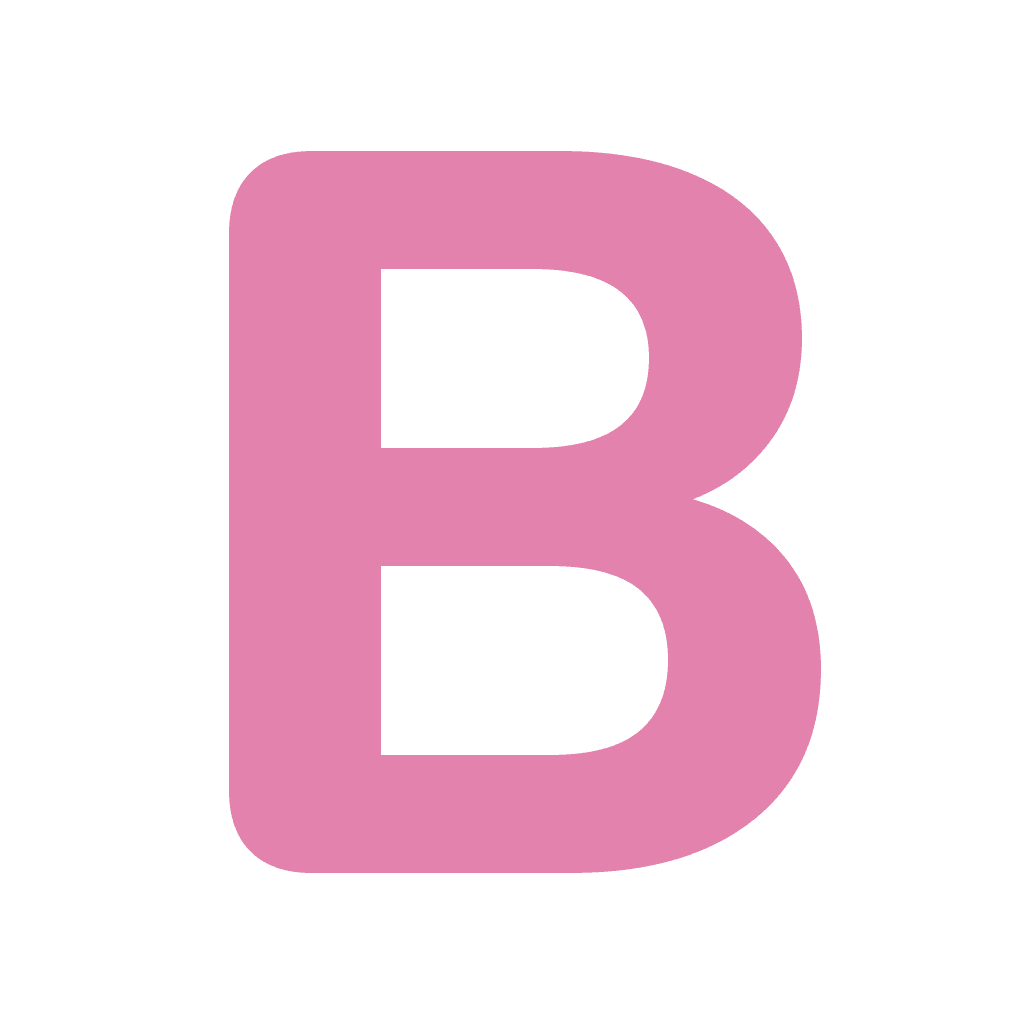
| В в | B | v | cotton wool | |
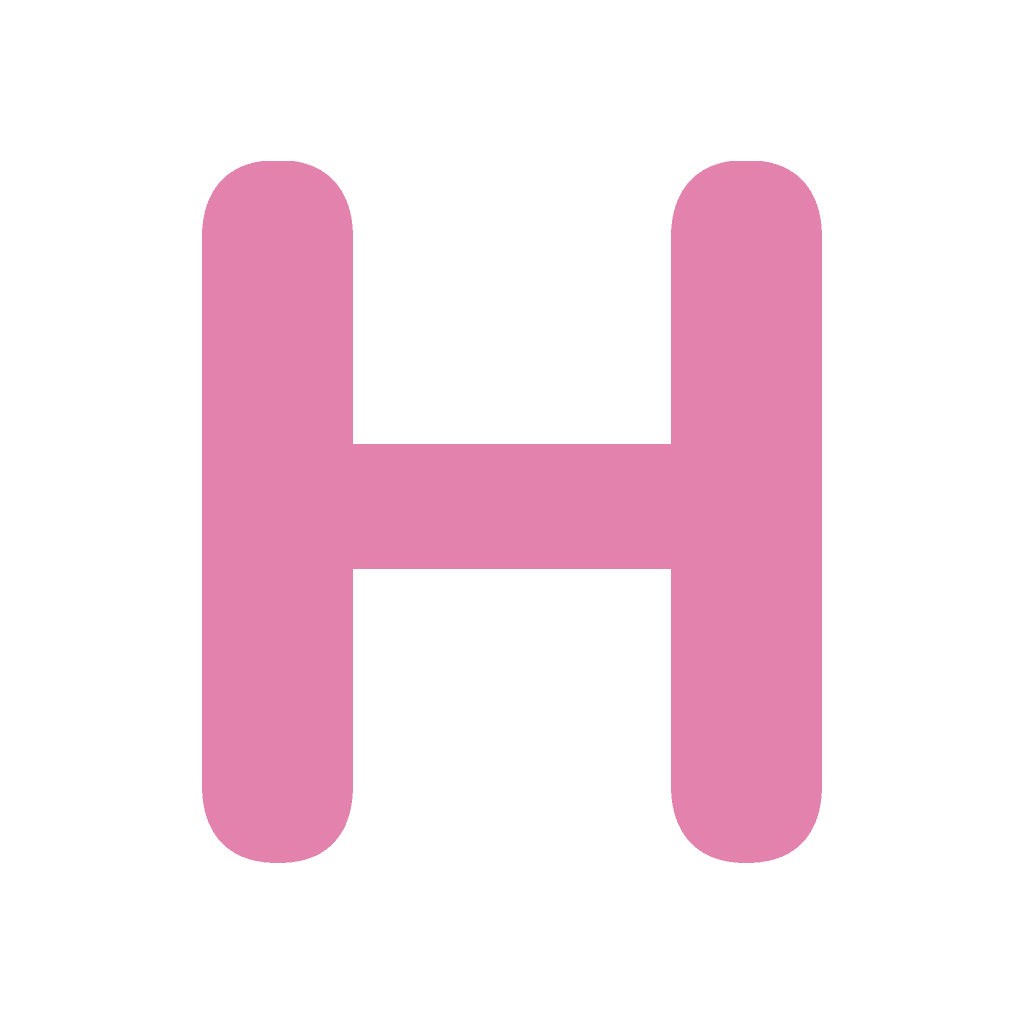
| Н н | H | n | he | |
| Р р | P | r | mouth | |
| С с | C | s | dream | |
| У у | Y | u | morning | |
| Х х | X | The ch in Scottish loch | ear | |
| Е е | E | e, or ye at the start of a word | no | |
| Ь ь | b | no sound of its own | mother |
Ь is called the soft sign. It usually makes the letter in front of it soft, so the т at the end of is said soft. It adds no sound of its own.
, К, М, and Т look like A, K, M, O and T, and they sound close to them too. The course teaches them first, in words like (mum) and (cat), so a beginner can read a few words right away.
- рRussian rU+0440pEnglish pU+0070The Russian р has a tail like p, but it sounds like r, as in (mouth).
- уRussian uU+0443yEnglish yU+0079The Russian sounds like u, as in (morning).
- вRussian vU+0432нRussian nU+043DThese two look like a small capital B and a small capital H. They sound like v and n.
- гRussian gU+0433rEnglish rU+0072The lowercase г can look like an r in some fonts, but it's the Russian g, as in (city).
Some lowercase letters look like English lowercase letters, and others look like small capitals. In many fonts, the shapes match exactly.
The code points under each letter show that they're different characters, even when they look the same.
Most of these letters work the same way, but a few change from one language to the next. In Ukrainian, Г is a breathy h sound, and sounds like the ee in see. Serbian has Ј, which looks like J but sounds like the y in yes. Each language has its own chart: Ukrainian, Serbian, Bulgarian, Macedonian and Belarusian.
Free Russian Alphabet Course
- Audio for Every Letter
- Spaced Repetition Review
- Real Example Words
 Download Bubblegum


0 of 9 Chapters Complete
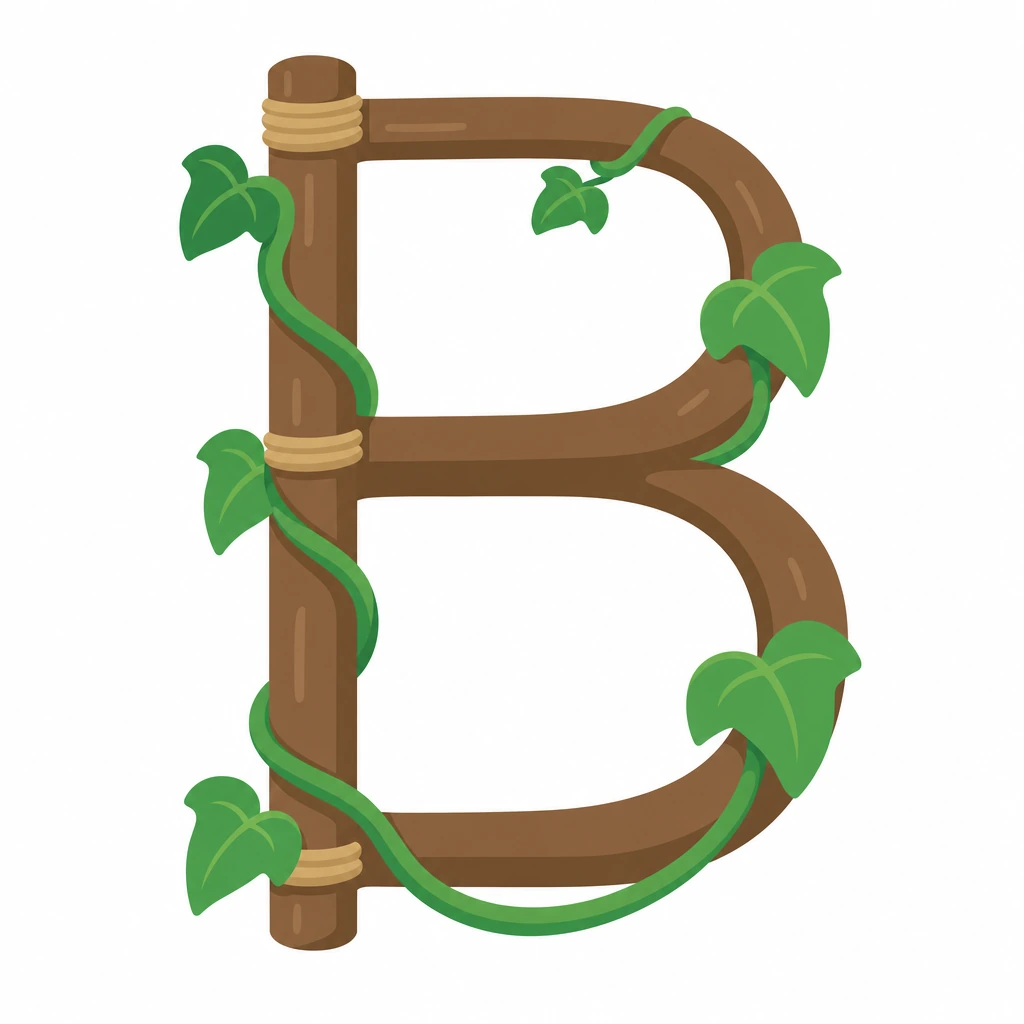
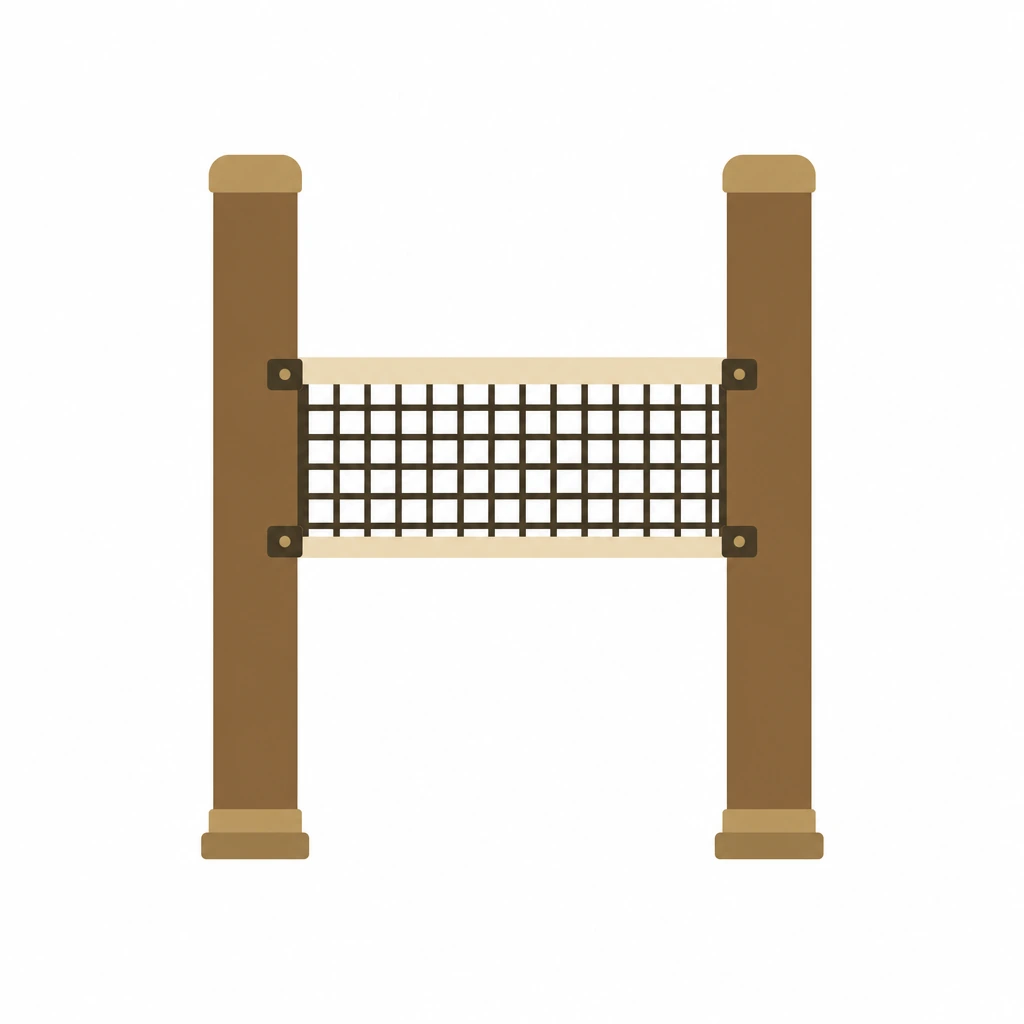
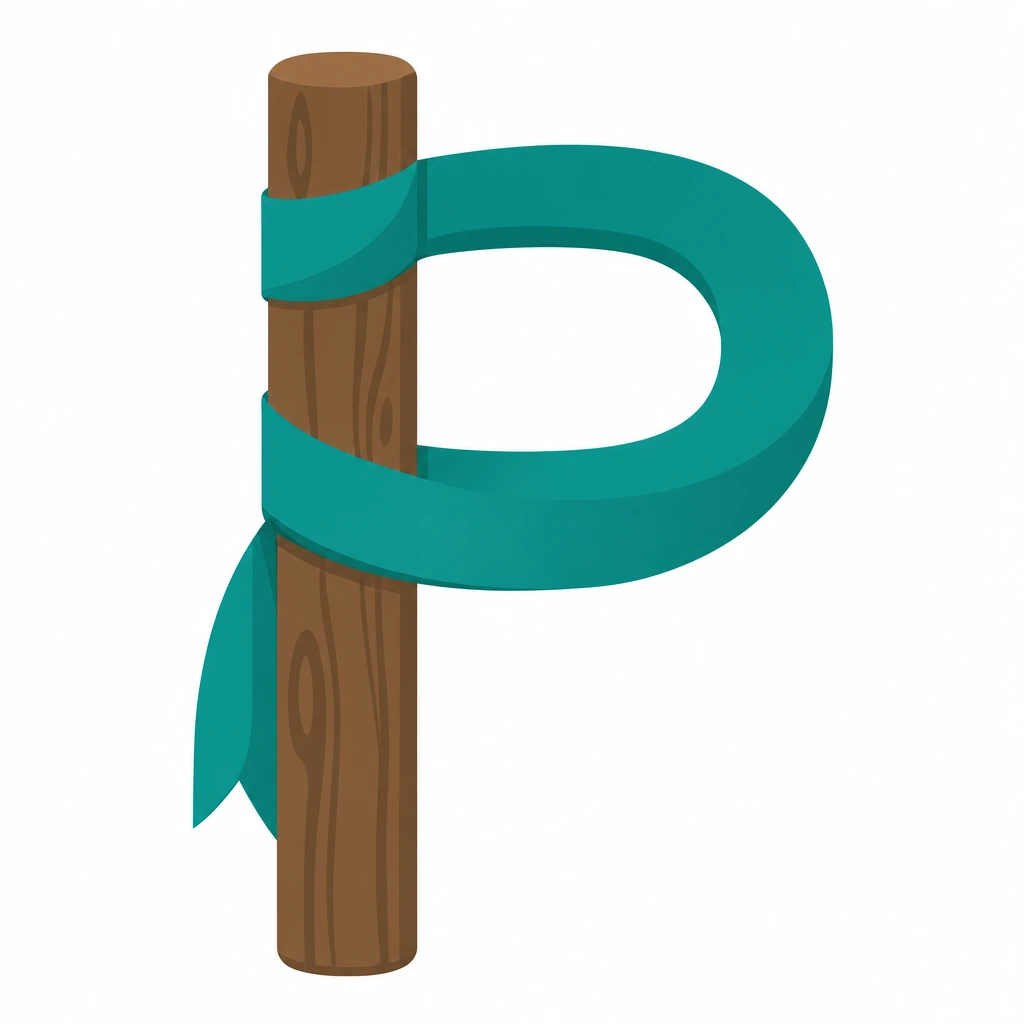
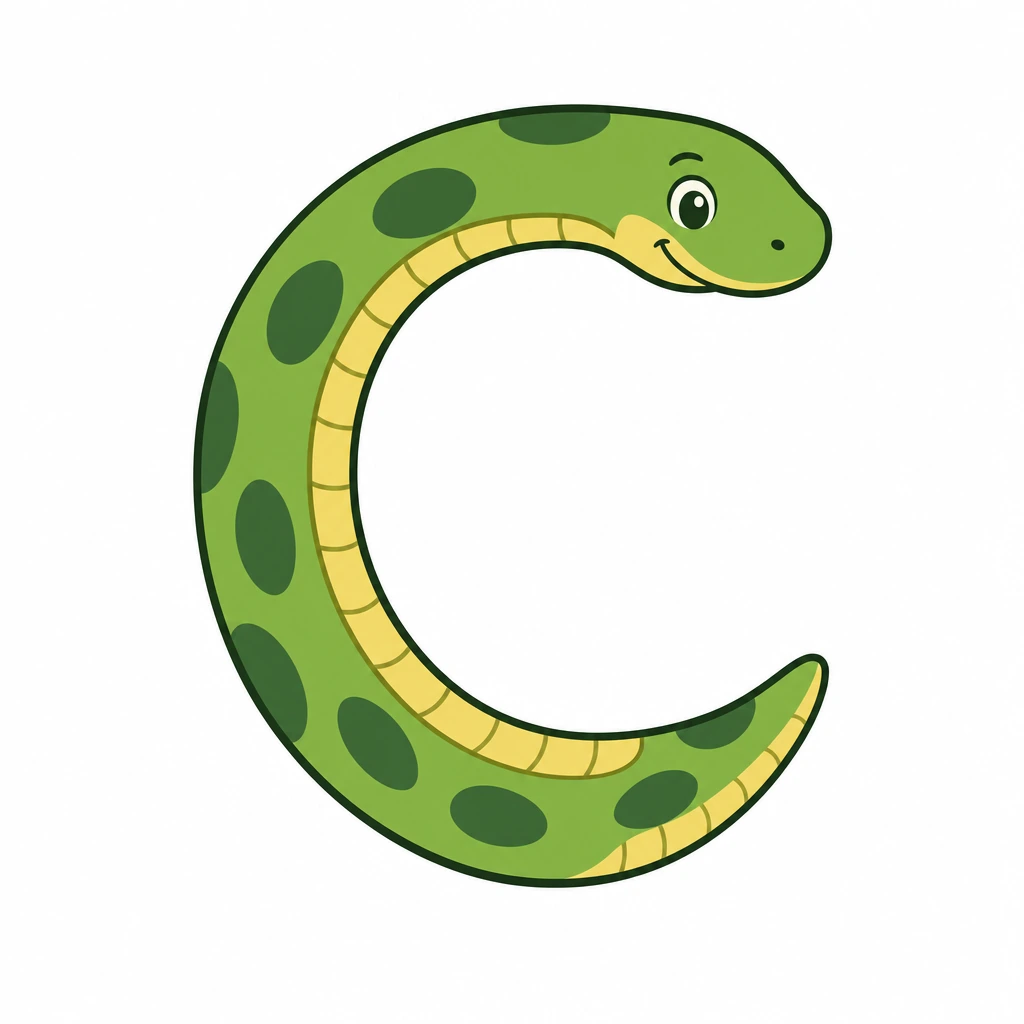
In the Russian alphabet chart, every letter that sounds different from its English twin has a picture: is a vine, and Р is a ribbon. The Russian Alphabet course starts with the safe letters and then teaches the ones that sound different.
Poppy, your AI tutor in the Bubblegum app, then writes Russian lessons you can read with the letters you know.
Can You Type Russian on an iPhone?
Yes. In Settings, tap General, Keyboard, Keyboards and Add New Keyboard, then choose Russian. The Russian keyboard types the Cyrillic letters, so you type the Cyrillic Р and not the English P.
Which Russian App Should a Beginner Choose?
If you are serious about learning Russian, start with Bubblegum. Poppy, your AI tutor, writes lessons at your level about things you like. Its Russian Alphabet course covers all 33 letters in nine short chapters, ending with Ы and Ф. For other apps, see our Russian app comparison.
Is Bubblegum Free?
Yes. Lessons Poppy wrote for other learners are free for everyone to read. Custom lessons cost us money to make, so you need Bubblegum Pro for unlimited custom lessons.
Sources
- Apple, iOS and iPadOS feature availability (keyboards include Russian)
- Apple Support, Add or change keyboards on iPhone
- Unicode Technical Standard #39, confusables.txt (Cyrillic А В Е К М Н О Р С Т У Х map to Latin A B E K M H O P C T Y X; lowercase р с у х to p c y x; Serbian Ј to J)
- Wikipedia, Soft sign (Ь usually marks the consonant before it as soft)
